Ask a local advertiser about retail media, and you’ll likely hear the same response: “That’s for the big brands.” It’s an understandable assumption. For years, retail media networks were the exclusive domain of national brands with seven-figure budgets and dedicated commerce teams. But halfway through 2026, the data tells a different story.
US retail media advertising spend reached $60.32 billion in 2025 and is on pace to hit roughly $71 billion this year, an 18% jump. Retail media now accounts for about 22% of advertiser budgets and close to 30% of total US digital advertising spend, not someday, but right now. The infrastructure behind that growth- first-party shopper data, self-serve buying platforms, and precise audience targeting- is no longer locked behind enterprise contracts. Local and regional advertisers can already tap into the same tools that power national retail media campaigns, often with budgets that fit a single-location business.
We break down why retail media has outgrown its national-brand reputation and how local advertisers can start winning with it, one platform, one test budget, and one shopper insight at a time.
What Is Retail Media for Local Businesses?
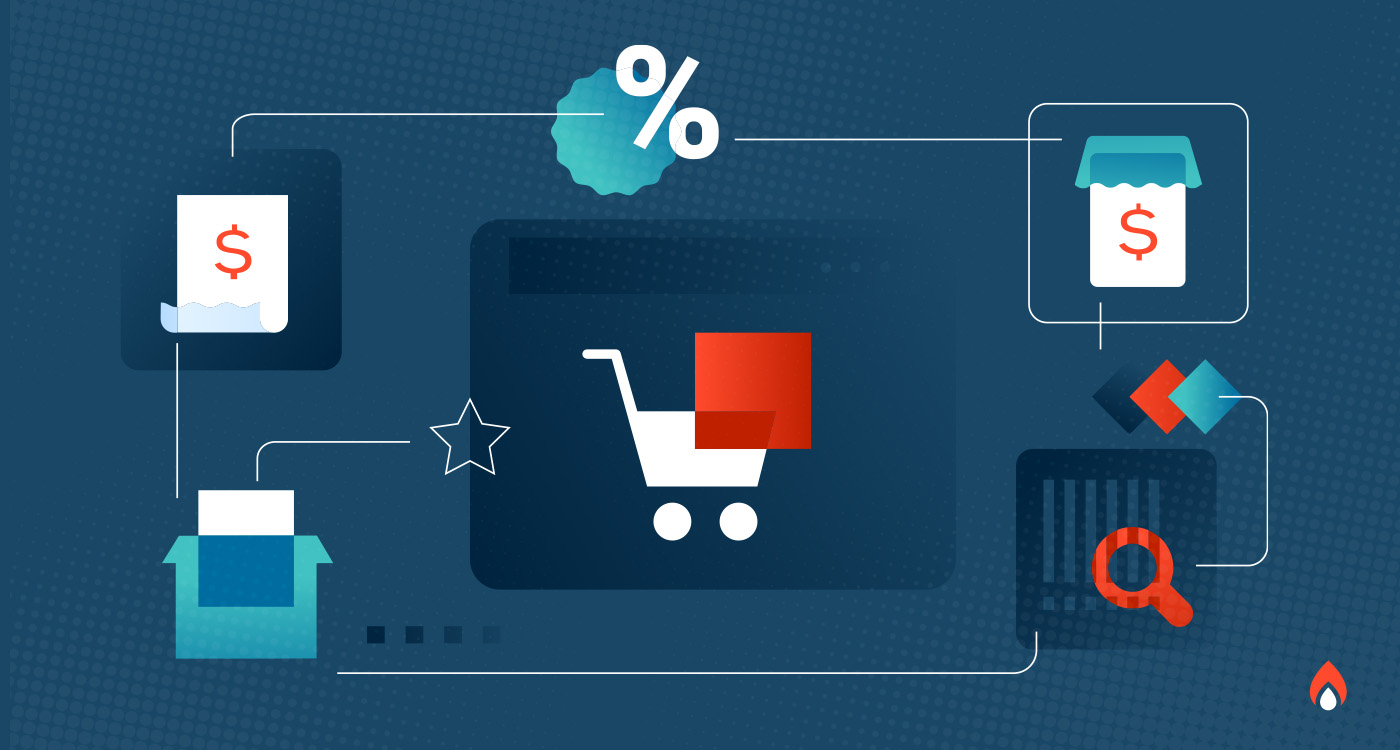
Retail media is advertising that appears within a retailer’s digital ecosystem, including websites, mobile apps, search results, and other shopper touchpoints. Instead of targeting broad audiences based solely on demographics, retail media uses a retailer’s first-party shopper data to reach people based on actual purchase behavior, shopping intent, and product interests.
For local businesses, retail media offers a way to reach high-intent customers when they’re actively researching or buying. Whether you’re promoting a local service, a regional brand, or products sold through a retail partner, retail media helps place your message in front of shoppers closer to the point of purchase. What was once a channel built primarily for national brands is now becoming an accessible performance marketing tool for businesses of all sizes.
Why Do Local Advertisers Think Retail Media Isn’t for Them?
The skepticism isn’t unfounded. It’s earned from years of watching CPG (consumer packaged goods) giants and major retailers dominate the retail media conversation. A national beverage brand negotiating placement across a big-box retailer’s network looks nothing like a regional hardware store trying to reach nearby shoppers.
That perception took hold because early retail media adoption was driven almost entirely by retailers with the scale to build these networks and brands with the budgets to buy into them. A local advertiser watching from the outside had every reason to assume the door was closed.
That door has already opened. Self-serve dashboards, entry-level budgets, and category-specific targeting are live now, not on some future roadmap.
Why Is Retail Media Spend Surging?
Retail media isn’t a niche experiment anymore. Halfway through the year, the numbers back that up. On the performance side, Amazon Sponsored Products spend climbed 21% year over year in the first quarter, Amazon DSP spend jumped 41%, and Walmart Sponsored Products spend surged 62% with even stronger returns. That’s real advertiser demand showing up in real quarterly numbers, not a projection.
Smaller networks are seeing momentum, too. Criteo crossed $1 billion in activated media spend in a single quarter for the first time in its history during Q1 2026. Instacart Ads, meanwhile, has already surpassed $1 billion in trailing twelve-month ad revenue and reaches 95% of North American households across more than 100,000 store locations, having further expanded its self-serve Ads Manager tools this year. That kind of platform buildout, scalable reach, paired with accessible self-serve tools, is what makes retail media viable for advertisers who aren’t negotiating national contracts.
What Makes Retail Media Different from Traditional Local Advertising?
Traditional local advertising- display banners, search ads, social posts- reaches people while they’re browsing, scrolling, or searching. Retail media reaches people while they’re actively shopping. That distinction matters more than it might seem.
A shopper browsing a retailer’s site or app has already signaled purchase intent. They’re comparing products, checking prices, or filling a cart. Retail media puts your business in front of that shopper at the exact moment they’re deciding what to buy, not hours or days before.
AI-powered audience insights make targeting even sharper. Retail media networks use first-party shopper data, actual purchase history, and category behavior to build audiences that once required enterprise-level data platforms. That access has already expanded well beyond the network’s biggest spenders, and local advertisers can now use the same purchase-based targeting once reserved for national budgets.
For a local advertiser used to broad geographic or demographic targeting in traditional display or search campaigns, this is a meaningfully different tool: instead of guessing who might be interested, you’re targeting people who have already shown they buy in your category.
How Can Local and Regional Advertisers Get Started with Retail Media Networks?
Getting started doesn’t require a full-scale rollout. It requires picking the right entry point and treating the first campaign as a test.
Start small. Test on one or two retail platforms that genuinely match your category rather than spreading a limited budget thin across many networks. Lean on the first-party shopper data your retail media partner already has instead of trying to build an audience from scratch. And don’t treat retail media as a standalone channel. Pair it with the local SEO and social work you’re already doing, so the message stays consistent everywhere a shopper encounters your brand.
Step 1: Pick one retail platform that matches your customer base.
Don’t try to launch across every major retailer at once. Look at where your customers already shop, and start with the platform that best aligns with your product or service category. A regional hardware store gets more value from testing on a home improvement retailer’s network than spreading a small budget across five platforms.
Step 2: Set a test budget and a clear goal.
Treat the first campaign as a test, not a full rollout. Decide upfront what success looks like, whether that’s a target cost per click, a conversion goal, or simply gathering enough data to judge whether the channel is worth scaling. A modest budget over four to six weeks is enough to produce an initial signal.
Step 3: Use the retailer’s first-party shopper data to target, not guess.
This is where retail media earns its reputation. Retailers already know what their shoppers buy, browse, and respond to. Local advertisers can target based on purchase history or category interest instead of building an audience from zero.
Step 4: Match your creative to the moment of purchase.
Retail media reaches people while they’re actively shopping, so the messaging should reflect that intent. Skip broad brand-awareness creative and focus on clear product benefits, active promotions, or reasons to choose your business right now.
Step 5: Connect the campaign to what you’re already doing locally.
Retail media performs best as part of a bigger strategy, not a standalone tactic. Tie it to existing local SEO work, social content, or seasonal promotions, so your messaging feels consistent across every channel a shopper touches.
Step 6: Review performance and decide whether to scale.
After the test period, measure results against the goal you set in step two. If performance holds up, expand the budget or add a second platform if it doesn’t, use what you learned to adjust targeting or creative before trying again.
What Does Retail Media ROI Look Like for Smaller Budgets?
Retail media’s core advantage, reaching shoppers at the moment of purchase intent, tends to produce stronger conversion signals than upper-funnel channels like display or awareness advertising. Cross-industry retail media ROAS has held at roughly 6.1x for five straight quarters, a sign that returns have remained consistent rather than dropping off as the channel scales.
Smaller advertisers may actually have an edge in measurement. A narrowly scoped campaign with a single test budget and a defined goal is far easier to evaluate than a sprawling national rollout spread across dozens of markets. That clarity matters, since a 2026 Skai and Stratably survey of 166 retail media advertisers found that about seven in ten met or exceeded their 2025 goals, even as most brands still struggle to measure incrementality with confidence.
For a local advertiser, that means a test campaign isn’t just a low-risk way to explore the channel. It’s a fast, measurable way to find out whether retail media deserves a permanent seat in your marketing mix.
How Should Local Advertisers Think About Retail Media Going Forward?
Retail media has already shifted from a national-brand tactic to a standard line item in the local advertising playbook. Advertisers who start testing now, while the channel is still relatively uncrowded at the local level, will keep the head start they’ve built as it continues to mature.
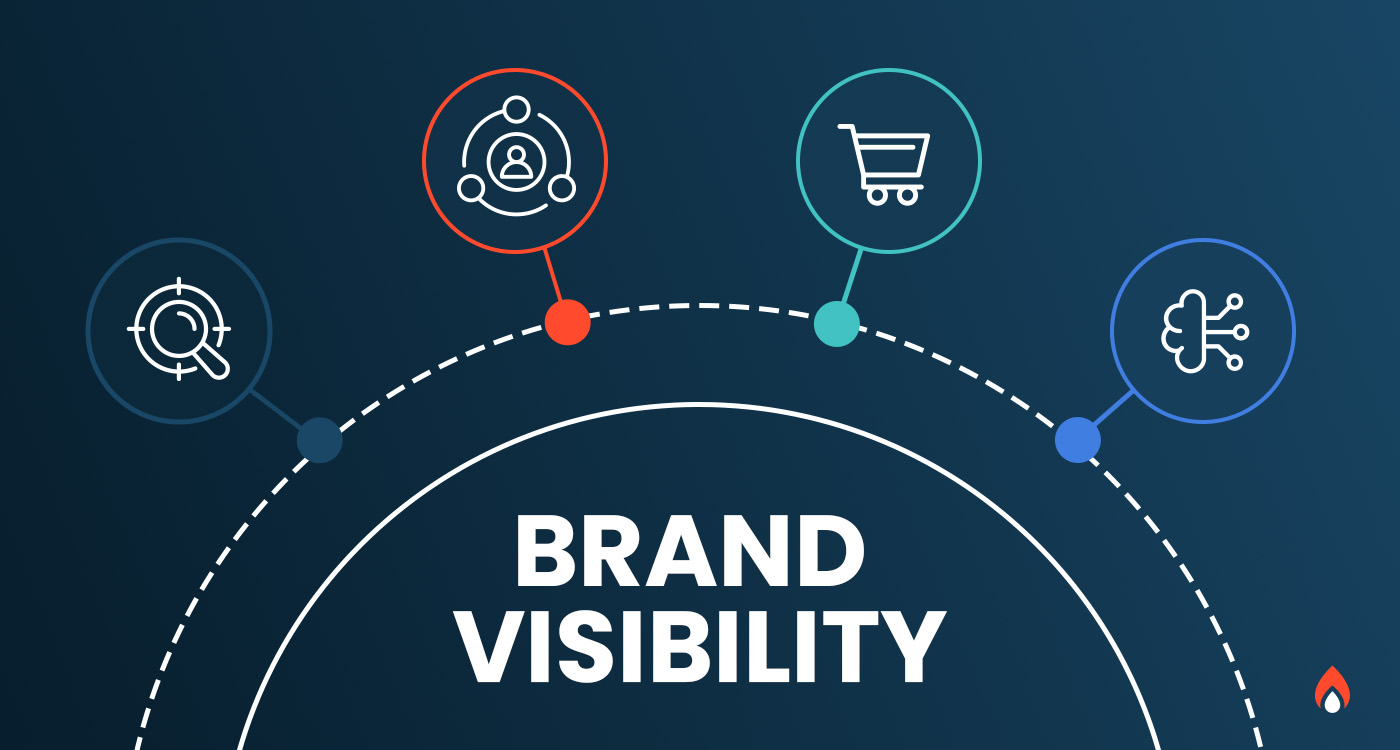
This shift also fits into a bigger picture. Retail media is one piece of the Search, Social, Retail Media, and AI (SSRA) framework that’s shaping how advertisers build omnichannel strategies. As search fragments across traditional engines, social platforms, and AI-driven discovery tools, retail media gives advertisers a way to reach shoppers at the one moment that matters most: when they’re ready to buy.
Ready to Put Retail Media to Work?
The same shopper data and intent-driven targeting that power enterprise retail media campaigns are already within reach for local and regional advertisers. The barrier was never the channel itself. It was access, and that access has changed.
Start with one platform. Set a clear test budget. Use first-party shopper data to reach high-intent audiences and measure what drives results. The advertisers who begin testing retail media today will be better positioned to compete as the channel continues to grow.
Talk to us about testing your first retail media platform. Schedule a conversation with our team today.