Search, Social, Retail Media, and AI: How Discovery Actually Works
Picture this. A customer discovers your competitor. Not through a Google ad. Not through a sponsored post. Through a TikTok video, a Reddit thread, or an AI-generated answer before they ever reach your website.
This happens thousands of times a day, yet many advertisers are still measuring success the old way: search rankings, click-through rates, and cost per click. Meanwhile, consumers are discovering brands across search engines, social platforms, retailer sites, creator content, reviews, and AI-generated experiences, often without a clean, trackable path connecting those interactions.
The challenge is no longer ranking on one platform. It’s showing up wherever your customers are looking, whether that’s Google, TikTok, Amazon, Reddit, or an AI assistant.
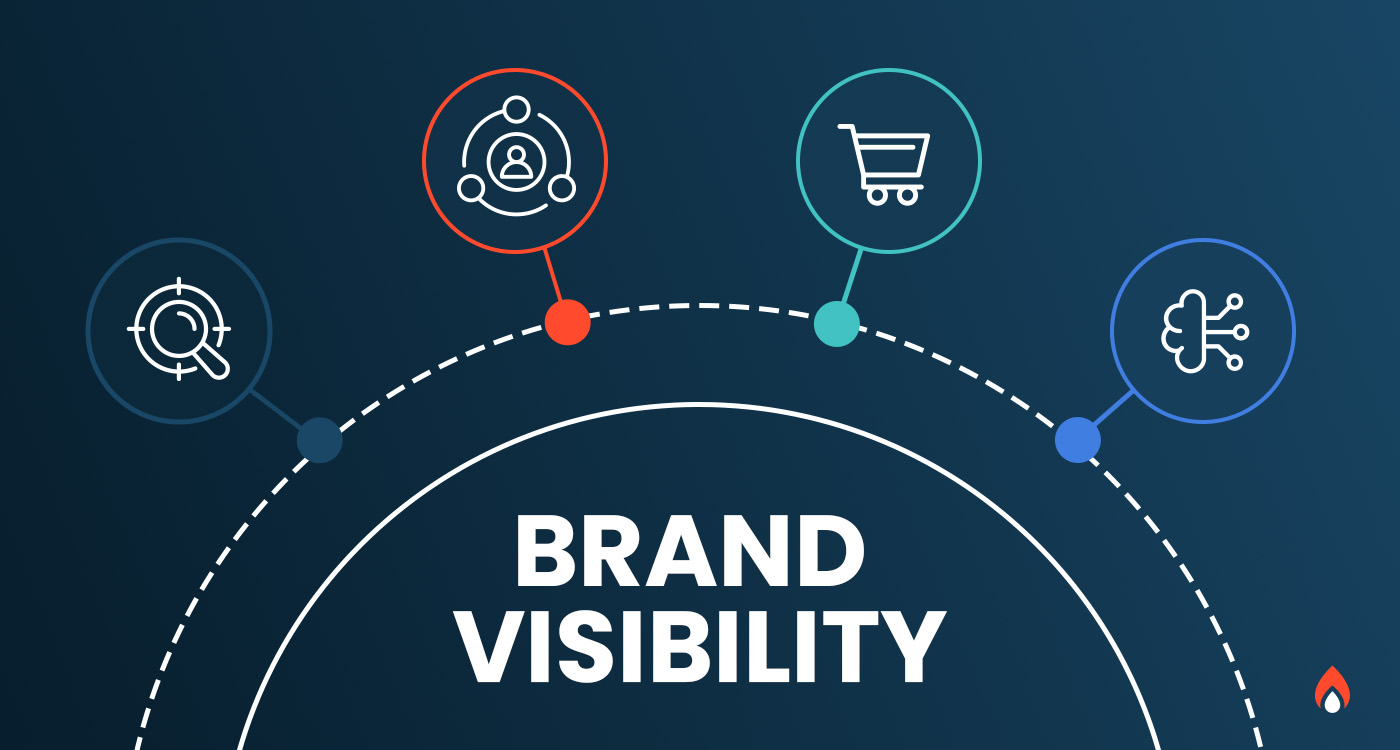
Search, Social, Retail Media, and AI (SSRA) is a framework for understanding how discovery works today. Rather than treating these channels as separate marketing tactics, SSRA recognizes that they work together throughout the customer journey. Advertisers who understand how these four forces reinforce one another will be better positioned to stay visible as consumer behavior continues to evolve.
Why is Discovery Becoming More Complex?
Discovery used to follow a straight line. Someone had a need, searched for it, clicked a few links, and decided. Entire marketing strategies got built around that single, predictable moment.
That predictability is gone. Consumers now weave through multiple platforms before making a decision, and much of that groundwork happens before anyone even types a query. A product might catch someone’s eye on social media, get validated through a stream of reviews, and only then prompt an actual search for specifics. By the time a search happens, the decision is often halfway made.
Visibility has spread across so many touchpoints that no single platform can tell the full story anymore, which is exactly why advertisers need a framework to make sense of the chaos.
The numbers show how far this shift has gone. SparkToro’s latest analysis found that 58.5% of Google searches now end without a click to another website, meaning consumers are getting answers directly in the search results. eMarketer reports a similar pattern among younger consumers, who increasingly turn to social platforms for discovery and research instead of defaulting to search. And Google’s own research confirms that people bounce between exploring and evaluating options rather than progressing neatly toward a purchase.
What is the SSRA Framework?
SSRA breaks modern discovery into four connected forces:
- Search captures intent, the moment someone knows what they want and goes looking for it. Google reports that more than 5 trillion searches are conducted annually, underscoring that search remains one of the primary places consumers validate purchase decisions.
- Social builds awareness by introducing people to products and ideas they weren’t actively seeking. Google found that 70% of social media users turn to Search to research products they first discovered on social platforms, demonstrating how awareness quickly becomes intent.
- Retail Media meets shoppers near the point of purchase, right when buying intent peaks. According to eMarketer, 57% of U.S. consumers now begin product searches on Amazon, compared with 43% on traditional search engines, making retailer ecosystems a critical discovery channel rather than simply a place to complete a transaction.
- AI threads through every stage, influencing which products, content, and recommendations consumers actually see. McKinsey reports that roughly half of consumers intentionally use AI-powered search experiences, signaling that AI is no longer a standalone tool but the layer shaping visibility across Search, Social, and Retail Media.
These channels rarely operate in isolation. A shopper might discover a product in a social feed, validate it through search, and ultimately convert after encountering a retail media placement, all while AI personalizes what appears at each touchpoint. SSRA isn’t a media plan or a budget allocation model. It’s a framework for understanding how discovery has evolved and where brands must earn visibility throughout the modern customer journey.
Why Isn’t Search the Only Discovery Channel Anymore?
Search still signals intent better than almost any other channel. Someone who searches has usually moved further along in their decision-making than someone who is simply scrolling.
What’s changed is everything that happens before that search. Many consumers already know what they want by the time they type a query, thanks to a creator’s recommendation, a friend’s mention, a scroll through reviews, or a social post that planted the idea days earlier. Search has become one stop along a much longer route rather than the starting line.
Google’s own research supports this, showing people move across multiple touchpoints and information sources before converting. AI-generated search experiences are accelerating that shift further, surfacing answers directly on the results page and changing how people interact with search altogether.
How Are Social Platforms Changing the Way Consumers Research Brands?
Social media once meant likes, comments, and shares. Now it functions as a legitimate research tool, and consumers treat it that way.
People turn to social platforms to look up restaurants, compare products, and vet local businesses before committing to anything. Recommendation algorithms drive a lot of this behavior, surfacing content that shapes consideration well before a search engine ever enters the picture. That shift raises the bar for creative quality. Content has to earn attention on its own merits and hold up as a credible source of information, not just an ad.
Forbes reports that 67% of Gen Z consumers use Instagram for search and discovery, while 62% use TikTok the same way. Gen Z leads all generations in digital consumption, with 98% active on social platforms and more than half spending 4 or more hours there daily. YouTube, Instagram, and TikTok make up the so-called “Big Three,” reaching 91%, 86%, and 79% of Gen Z, respectively. eMarketer found that 44% of Gen Z discover new brands on social media every day.
[H2]: Why is Retail Media Becoming a Bigger Part of the Customer Journey?
Retail media puts advertisers in front of shoppers while they’re actively buying, not just browsing or thinking about it later. Retailers have built serious advertising networks on top of their own first-party shopper data, pairing real purchase intent with real behavioral insight in a way few other channels can match.
What makes retail media especially valuable is how tightly it links discovery to conversion. A shopper doesn’t just see an ad; they see it while they’re already in a buying mindset, often on the very platform where they’re about to check out. This channel has also expanded well beyond the largest national brands, becoming increasingly accessible to regional and local advertisers.
Growth figures confirm the momentum. eMarketer forecasts that U.S. retail media advertising spending will reach $71.09 billion in 2026, accounting for roughly 16.8% of all digital ad spend and making it one of the fastest-growing segments in the industry.
How Is AI Reshaping Visibility Across Every Channel?
AI now touches nearly everything a consumer encounters online. Search engines use it to generate summaries and recommendations instead of simply ranking links. Social platforms rely on it to decide what surfaces in a feed. Retailers use it to personalize product suggestions and ad placements based on shopping behavior.
AI isn’t a separate, standalone channel. It’s the intelligence layer running beneath search, social, and retail media, determining what gets seen, recommended, and ultimately clicked. Google continues expanding AI-powered search experiences, while platforms like Meta, TikTok, YouTube, and major retail media networks rely on machine-learning recommendation systems to shape visibility.
The biggest shift is that AI increasingly answers questions before users ever visit a website. Features like Google’s AI Overviews synthesize information from multiple sources into a single response, giving users immediate answers and reducing the need to click through traditional search results. Instead of competing for the top blue link, brands are now competing to become part of the answer itself.
The same shift is happening beyond search. Consumers are increasingly turning to AI assistants like ChatGPT to research products, compare services, and discover businesses. Rather than presenting a page of links, large language models generate direct recommendations based on the information they’ve learned from trusted, authoritative sources across the web. That means visibility depends less on a single webpage ranking well and more on whether your brand is consistently represented across reputable websites, industry publications, reviews, directories, and other trusted sources.
To appear in AI-generated recommendations, brands need more than traditional SEO. Structured content, clear topical authority, consistent brand mentions, and trustworthy information all help AI systems understand who you are, what you offer, and when your business is relevant to a user’s question. As AI becomes the starting point for more customer journeys, marketers must optimize not only for search engines but also for the AI systems that increasingly influence discovery across every digital channel.
What Does the Future of Discovery Look Like?
Discovery will only keep fragmenting from here. Search isn’t disappearing, but it won’t operate on its own either. Social, retail media, and AI will continue to shape how people find and choose brands, often simultaneously rather than sequentially.
The advertisers who show up consistently across all four channels, not just the ones they’re most comfortable with, will be best positioned for growth. That means optimizing not only for traditional search rankings but also for AI-generated answers, while maintaining a strong presence across social platforms and retail media with authoritative, structured, and trustworthy content that people and AI can rely on.
Discovery is no longer a channel problem. It’s a visibility problem. The SSRA framework gives marketers a practical way to understand where visibility happens today and how to build a presence across every touchpoint that influences discovery.
Discovery no longer happens in one place. AdCellerant helps brands improve visibility across Search, Social, Retail Media, and AI through integrated digital marketing strategies designed for the way customers discover brands today. Ready to build a discovery strategy that helps your brand show up wherever customers search, scroll, shop, and ask? Schedule a conversation with our team.